How much do you think you know about Batik; Indonesia’s traditional clothing? Batik is the traditional fabric of Indonesia and has a vibrant cultural heritage. The origins of Batik can be traced back 1,500 years ago to Egypt and the Middle East. The word batik comes from combining two Javanese words, “amba” and “tik”. The first word, “amba”, means writing. Whereas the second word, “tik”, means point. The combined definition of “ambatik” means beautiful dots on the cloth.
Did you know that Prime Minister Lee Hsien Loong likes to wear Batik shirts during formal meetings and events, to show that batik is an important part of the Singaporean culture as well. We went down to Rumah Kim Choo, a batik shop located at 111 East Coast Road, to meet the owner, Mr Raymond Wong to learn more about Batik.
Here are five things you didn’t know about Batik.
1. Batik art could be taken as a GCE O-level subject in the past
Batik designs are a beautiful art form. O-level art allows students to express their feelings and emotions into their creation, no matter the form of art. Therefore, in the past, students who took art as their O-level subject could choose to design batik clothes and paintings as well. However, according to the Singapore Examinations and Assessment Board 2022 (SEAB) for the Art syllabus 6123, Batik designing has been removed from the syllabus because of the lack of enthusiasm from students in taking the subject.
(Photo: Nur Ulfah & Josephine Tan)
2. It takes up to one year to make a piece of Batik clothing.
Most of us are used to fast fashion. However, the production of Batik clothing is intricate, methodical and on the opposite end of fast fashion.
“Hand-drawn batiks today are very time consuming to make,” said Mr Wong of Rumah Kim Choo. Some special Batik pieces, especially those that are hand-made, can take up to anywhere from a year to 1.5 years to make. Simple machine-print batik designs take up to three months to prepare.
Each piece of cloth is usually 2.5 meters long and requires twelve stages. There are usually five people who contribute in making Batik Tulis (hand-made) pieces.
In the first stage of Nyungging, a skilled person draws the Batik Motifs (patterns) on a piece of paper. In the second stage of Njaplak, the pattern is transferred to the fabric. In the third stage of Nglowong, wax is glued on the cloth to make the patterns appear. In the fourth stage of Ngiseni, the patterns are being filled in the fabric. In the fifth stage of Nyolet, the filled patterns are coloured. In the sixth stage of Mopok, the uncovered parts in the pattern are covered with more wax. In the seventh stage of Ngelir, the colouring is thoroughly done. In the eighth stage of Nglorod, the colour of the night candle is shedded into boiling water. In the ninth stage of Ngrentesi, the results of the dots on the patterns are made to look neat. In the tenth stage of Nyumri, stage six is repeated again to ensure there are no openings in the Batik patterns. In the eleventh stage of Nyoja, the Batik cloth is dipped in brown colour. In the final stage of Nglorod, wax is shedded in boiling water.
However, the long months of labour certainly do not go to waste, as the value of each piece increases as the complexity increases as well. The normal pricing for Batik pieces are above $100. Mr Wong has created and sold Batik Tulis for $1,200 because of its laborious process.
“Whether it is machine-print or handmade, I personally feel that the essence of the design must be in the fabric,” he said.
(Photo: Nur Ulfah & Josephine Tan)
3. Different Batik designs have different meanings.
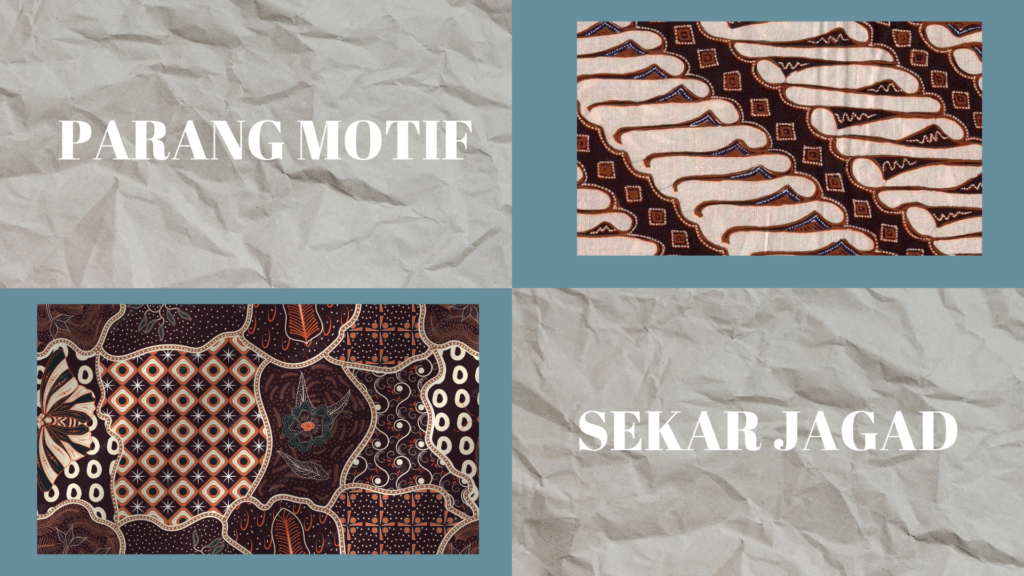
Batik is well known for its wide array of complex and intricate patterns. Each pattern has a specific meaning. For example, a ‘Parang Motif’, while beautiful, should never be used at a wedding. Parang means war, and it symbolizes warfare. It’s believed that this motif should not be worn during wedding proceedings, as it means that the household will always argue and fight, like the word Parang. On the flip side, one that is used for weddings is the ‘Sekar Jagad’. Sekar means flower and Jagad means the world, epitomizing love and safeguarding peace. Thus, this pattern is commonly used during weddings.
4. Batik being cheap is a misconception.
The increase in machine-print Batiks, which is the modern way of producing Batiks, have led to the misconception that Batik clothing is sold at a low price. Being a traditional practitioner, Mr Wong feels that machine-print Batik pieces do not really express the meaning of the designs as accurately as hand-drawn Batiks.
There are still Batik Motifs (patterns) that are specially hand-made in the manufacturing process, like ‘Batik Cap’, ‘Batik Tulis’ and ‘Batik Kombinasi’. This tedious process causes the prices of batik to rise. For example, hand-made batiks could cost up to $300 per piece of clothing, while machine-print Batiks cost around $50. Thus, the pricing of the Batik clothing will depend on the essence of the Batik design.
5. Batik is trending among Singaporean youths.
More youths in Singapore are starting to infuse Batik into their traditional clothing to showcase their cultural identity. For example, the Malay youths wear kebaya with ‘Batik Sarongs’ and the Chinese youths wear cheongsam dresses made with ‘Batik Kain’ to cultivate cultural inclusivity
Mr Wong agreed: “Nowadays, we do see a trend that young girls start to appreciate batiks a lot.”
He shared that more youths are coming down to Batik shops like Rumah Kim Choo to purchase Batik pieces and he has also seen youths incorporating Batik into their everyday outfits.
(Photo: Nur Ulfah & Josephine Tan)
Batik has a rich heritage that needs to be explored and recognised. Batik was once specially designed fabrics for royalty across Indonesia. The world now is more familiar with Batik, and as more patterns are created, it is no longer limited to royals. We hope this article has expanded your knowledge of Batik and its speciality. If you are interested in Batik fabric, the best place to start is by looking for Batik prints in major fabric stores such as Rumah Kim Choo or shopping online for Batik fabric. Adding Batik to your daily style is a great way to show appreciation for the Javanese culture and art form.