
Written By Chloe Delgado & Afrin
Mental health affects how we think and feel, as well as how we function in daily life. For us students, going back to school and taking in all the assignment deadlines can be worrying. However, taking care of your mental health can help you cope with stress, maintain good relationships and be productive during the school semester. Here are seven ways to do so!
#1: Get enough sleep
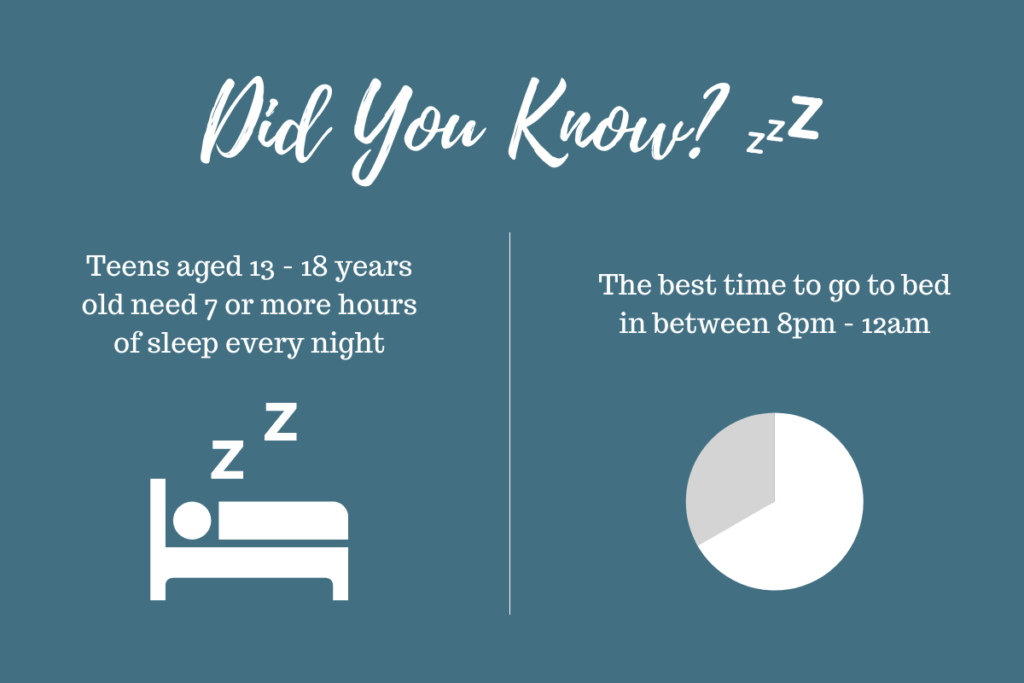
It is common for students to have an unhealthy relationship with sleep. According to a National Center for Biotechnology Information survey, an average student sleeps for 6.34 hours a night. Students are recommended to sleep between eight and 10 hours a night.
One way to do so is to avoid using your phone before sleeping. According to Sleep Foundation, blue-wavelength light from your phone screen suppresses melatonin, which lets your brain know when to sleep. Keeping devices away from bed will help your mind associate your bed with only sleeping.
A good night’s sleep helps improve productivity, brain and heart health, and immune function. Sleeping well indeed provides many benefits with minimal effort!
#2: Excercise regularly
Keeping physically active releases feel-good endorphins which can help reduce feelings of stress and depression, as well as improve your mood. With today’s technology, you do not need to spend money on a gym membership or even leave the house to get exercise. Anyone can access workout tutorials simply through YouTube as well as fitness apps! Apps like Strava lets users track their exercise time which can be helpful to and motivating for beginners. However, if you are unsure where to start, Adidas compiled a guide about exercising and its benefits for beginners.
#3: Plan your time
Looking at all your assignment deadlines can be very daunting. Instead of squeezing all of the daily school assignments inside your head, buy a planner and write everything down. Another alternative to plan ahead for your assignments is to use planner apps; some free planning apps are Todoist, iStudiez & Power Planner. Planning ahead for all your assignments will help you to easily see what you should focus on first.
Mobile phones and laptops have become an essential part of our lives in this day and age. However, it is also crucial to plan how much time to spend using mobile devices and social media. Not only can they be distracting, but too much screen time can cause eye strain, headaches and anxiety.
Thus, planning a simple schedule can help you stay on task and put your mind at ease!

#4: Cultivate a hobby
Amidst your assignments and daily tasks, you should find time to do something you like or are interested in. Studies conducted by the Pittsburgh Mind Body Center showed that enjoyable leisure activities were associated with higher levels of positive psychosocial states and lower levels of negative affect.
A hobby can be something you have always enjoyed doing or something you have never tried before! Whether it be photography or sewing, cultivating a hobby brings benefits such as increasing one’s confidence, learning new skills and reducing stress. Here are 50 hobbies you can check out and try today.
#5: Meditate
Meditating is often overlooked by many people to help them cope with stress. When relaxing the mind and body by focusing on your awareness, the body produces a natural relaxation response. Which eventually lowers blood pressure and muscles stress.
If you have never meditated before, we’ve got you covered.
Here are 3 simple steps for you to get started:
1. Find a comfortable spot for yourself and be ready to sit still for a while.
2. Start to focus on your breathing.
3. Inhale and exhale for a minimum of 2 minutes.
For more tips on meditation, here is a beginners mindful guide. Be sure to leave aside at least 5 minutes everyday to meditate as it will be effective in clearing your mind.
#6: Foster good relationships
It is vital to have healthy relationships with the people around you to have good social support when you need it. Doing so will help to lessen the burden on your shoulders and make you feel more at peace.
Cultivating healthy relationships can be challenging at times so here are 4 ways to do so.
1. Be appreciative of even the little things you receive from people.
2. Maintain compromises and fairness in your relationships.
3. Consistency is key so always be sure to follow through with the promises you made.
4. Set boundaries to what you can stand in the relationship.
These 4 ways have been proven to foster good relationships by Lena Aburdene Derhally , a psychotherapist, writer and public speaker. More importantly, remind yourself that reaching out to the people around you is never a sign of weakness.
#7: Set goals
Identify a goal that drives you on, and it can be something that benefits yourself or others. This particular goal does not have to be substantial, it can be something as simple as achieving your targeted grade or completing the semester on a satisfactory note.
This purpose will keep you motivated to improve your mental and emotional health. Additionally, your spirituality will be explored through finding meaning in life every day.

Consistently following these efforts will surely make a positive impact on your mental health. Always remember that healing can never be linear and do prioritise your mental health at all times. We hope that these tips are useful to you, and we wish you the best of luck!