
Written by: Bashirah Uzma Ashraf Ali and Trixia Lim
“Should I buy that thing that I saw on TikTok? But I no money leh.” This is probably something that your friends, or even yourself have said before. In fact, this is why there was a recent “TikTok made me buy it” trend that was sweeping the social media platform recently. But have you ever wondered why we are so influenced by what we see on TikTok? Why is it that when we shop online, we seem to get happier?
The Rise of TikTok
TikTok was first introduced as an online platform that was meant to entertain people, with trendy songs and dance challenges. But other than it being a platform for songs and dancing, it has also been a great platform for business owners and brands to promote their products.
Take, for example, Dasha Derkach. The ballet dancer launched her brand Enchanted Scrunch on TikTok and gained 15k views in two months. 90 percent of her online orders were made through the platform, highlighting TikTok’s extensive outreach. Other examples of successful brands that mainly advertised on TikTok include Peachy BBs Slime by Andrea O. But what makes TikTok such a lucrative platform to tempt unsuspecting students into the trap of spending money?
The Algorithm
Firstly, there is the algorithm. It works to push out content that is specifically curated for each user, based on your viewing history. It involves content and tempting ads that push products that users are more likely to purchase. With the constant slew of content that we are constantly exposed to and the addictive thrill of swiping, our brains constantly engage with the mind-numbing content that we so love. It’s not hard to see how we could be easily convinced to buy any product if it had enough relevance to our lives.
The Impact of Influencers
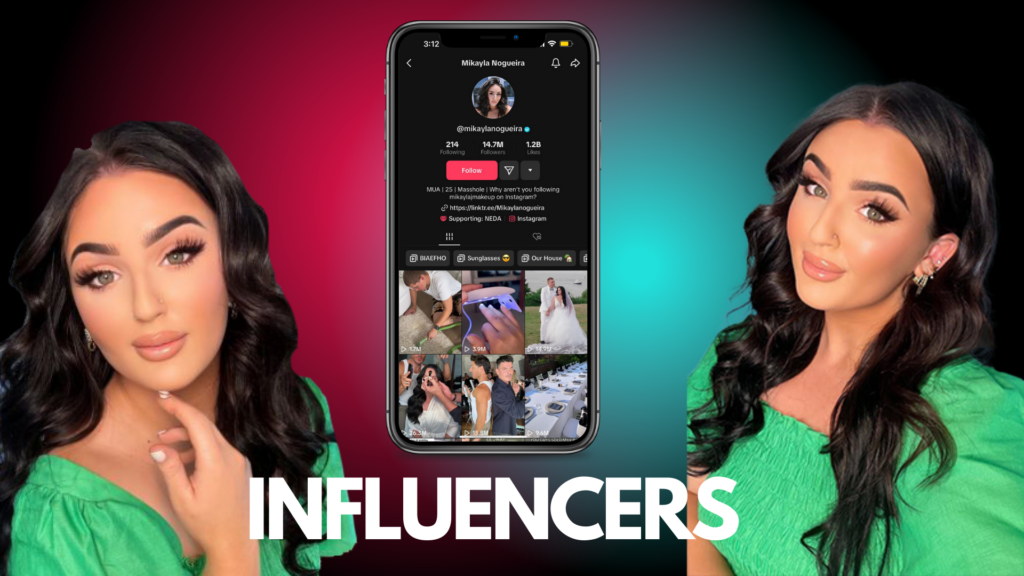
Secondly, there are online personalities and influencers who get sponsorships to promote products to their audiences. For those who are just one in the millions of their devoted fans on TikTok, are especially at risk of buying whatever they push out. However, not all influencers are true to what they promote. Now more than ever, there has been a spike of people on TikToks coming out to claim that the advertisements that they saw was a huge exaggeration of the product’s capabilities.
One example of an influencer that is currently under fire for such claims is the famous beauty influencer Mikayla Nogueira. Makeup enthusiasts, fans, and other viewers of these types of videos have started to claim that the products that she reviewed are not living up to her praises. Heard of the term ‘lash gate’? Well, on January 24 2023, Mikayla posted a TikTok claiming amazing results from a mascara by L’Oréal that she was sponsored by. However, when her audience took a closer look at her video, they realised that it was stitched with a second clip, where she had added false lashes to make the product seem more appealing. These so-called ‘viral products’ that claim to produce amazing results may not even exist, making TikTok a deadly trap for emotionally false advertising.
Ever-Changing Trends
Trends, the forever elusive, ever-changing phenomenon that youths are constantly swept up by – where what is considered trendy and fashionable never lasts for long. On TikTok, there are times when celebrities on users’ For You page sport the latest phone or wear a certain style of clothes that the internet suddenly deems as a trend. Suddenly, everyone changes their look just to fit into what is cool and popular.
This includes purchasing the latest trendy item, only to discard the item as soon as it goes out of trend or when a new one starts. One example that illustrates this was the recent hype with Stanley cups. At one point last year, everyone on TikTok had one or was trying to get a Stanley cup which was a tall reusable cup that could fit into a car seat holder. In a youtube short – a Youtuber, Abby, who runs the channel MattandAbby with her husband, Matt, was unboxing her new $120 Stanley purchases. Justifying her purchase of a Stanley cup which had been comparable to many previously-owned items such as a Cheetah print cup, Abby reasoned that ‘Cheetah prints are now ‘cheugy’, while Stanleys are trendy’. This behaviour not only creates waste, but also becomes a waste of money.
This includes purchasing the latest trendy item, only to discard the item as soon as it goes out of trend or when a new one starts. One example that illustrates this was the recent hype with Stanley cups. At one point last year, everyone on TikTok had one or was trying to get a Stanley cup which was a tall reusable cup that could fit into a car seat holder. In a youtube short – a Youtuber, Abby, who runs the channel MattandAbby with her husband, Matt, was unboxing her new $120 Stanley purchases. Justifying her purchase of a Stanley cup which had been comparable to many previously-owned items such as a Cheetah print cup, Abby reasoned that ‘Cheetah prints are now ‘cheugy’, while Stanleys are trendy’. This behaviour not only creates waste, but also becomes a waste of money.
The FOMO Factor
FOMO (Fear Of Missing Out): the most frightening motivator for mindless shopping and one of the largest factors of spending money carelessly. With the social connectivity that TikTok as a platform gives us, it is very easy for anyone to possess this feeling. We are constantly surrounded by things that we don’t have or wish to try out. According to a study by the Product Marketing Alliance, consumers who experience FOMO spend more on average than those who do not. One example that best illustrated the FOMO factor, can be again referenced to the stanley cup hype where Twitter, Instagram and especially TikTok was exploding with immense popularity for it. Influencers were seen with the product in their daily ‘Get Ready With Me’ TikToks which convinced viewers to purchase it.
The One-Time Use Phenomenon
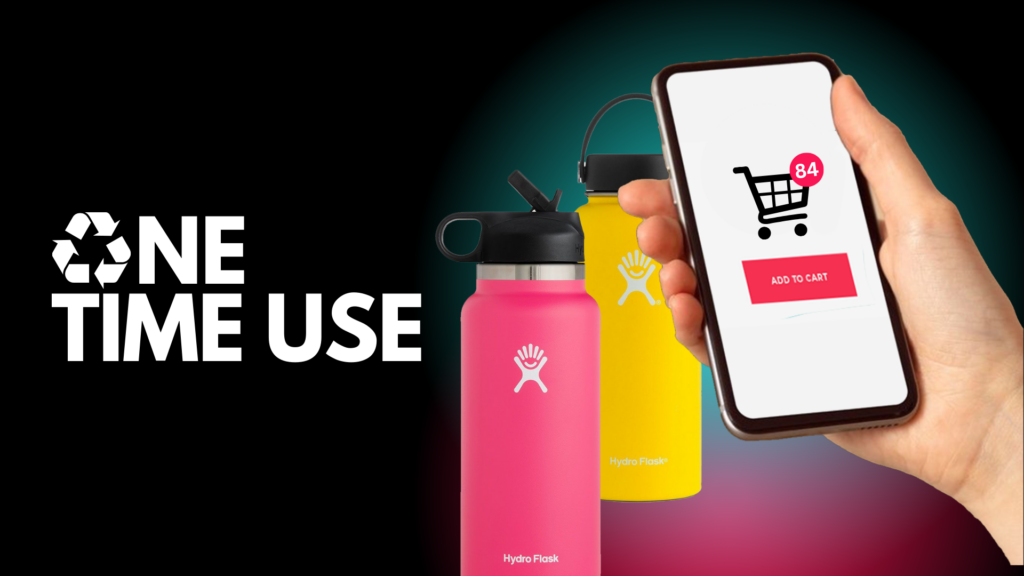
Shopping is a favourite hobby for many of us. We definitely have had the urge to spend our savings on anything that catches our attention. Be it a bag, water bottle or even a small plush toy. But how effective are these items in the long run? The term ‘one-time use phenomenon’ applies to this situation that consumers face, when they impulsively buy a product without thinking of any long term use for the item. The product is only used once and never again when users do not see its usability.
For example, in mid 2019 to late 2020’s, American-owned brand, “Hydro Flask” was a sought after product that was wanted by many. It got popular from the persona of a ‘VSCO Girl’ aesthetic. The product gained traction and was well-received from users old and young. However, the trend died down after different aesthetics and personas such as Cottage Core, Clean Girl and Y2K were introduced onto TikTok. Given the wide variety of different products, consumers were able to move on to the next viral thing.
With such social media platforms becoming more widely viewed and trends continuing to change, we must all exercise caution and restraint when online shopping. As difficult as it is, not everything that we find cool and ‘in trend’ will actually be practical in the long run. As students, most of us only have a limited amount of money from our allowance or part time jobs to spend on what we want. So, will you be more careful the next time you think of buying the next trendy TikTok item?