
Written by Terence Sim & Jerome Thomas
According to the United Nations, freedom of expression is a fundamental right which should be entitled to every person on earth. As defined by Cambridge Dictionary, free speech is the right to express any opinion one might have in public. The origins of free speech can be traced to the ancient Greeks, the forefathers of democratic principles. One of the principles is “parrhesia”, an ancient Greek word that translates to speaking boldly, freely and candidly.
Why freedom of speech is necessary
Freedom of speech is a polarizing topic of discussion, as the principle is seen to have many pros and cons. Freedom of speech brings about many positives. It allows for the freedom of expression, not controlled or swayed by systems or those in power. Free speech ensures accountability on influential figures as it brings acts of corruption, wrongdoing and misdeeds to light. While many may ‘advocate’ for free speech, due to free speech being seen as an essential right in society, we must also remain fully aware of the risks it brings about.
Free speech can serve as a platform that facilitates change in society. It allows people to raise awareness about different issues that exist in society. Many traditional notions are now being challenged in recent times. Many people have become more comfortable about speaking on controversial subjects. With this freedom, topics that concern discrimination in society have been raised in an attempt to create a more inclusive society that loves and accepts everyone despite all our differences.
Freedom of speech also allows for accountability against those in power. With free speech set in place, the powerful are not able to silence those who have information about their misdeeds. This becomes especially helpful in democracies, where people have to vote for those in leadership positions. The public is entitled to know the full picture before casting their votes and the only way for them to understand the situation is by giving the people the power to not be censored.
The other end of the spectrum
On the flip side, freedom of speech also comes with its disadvantages. Many might assume that freedom of speech gives them the right to say whatever they want without having to face any consequences, which is simply untrue. Even in the United States, where freedom of speech is actively advocated by the people, it also has its limitations. Not all things are covered by the freedom of speech. If one uses free speech to threaten, defame, slander, plagiarize or share any illegal materials, they will not be protected by the First Amendment.
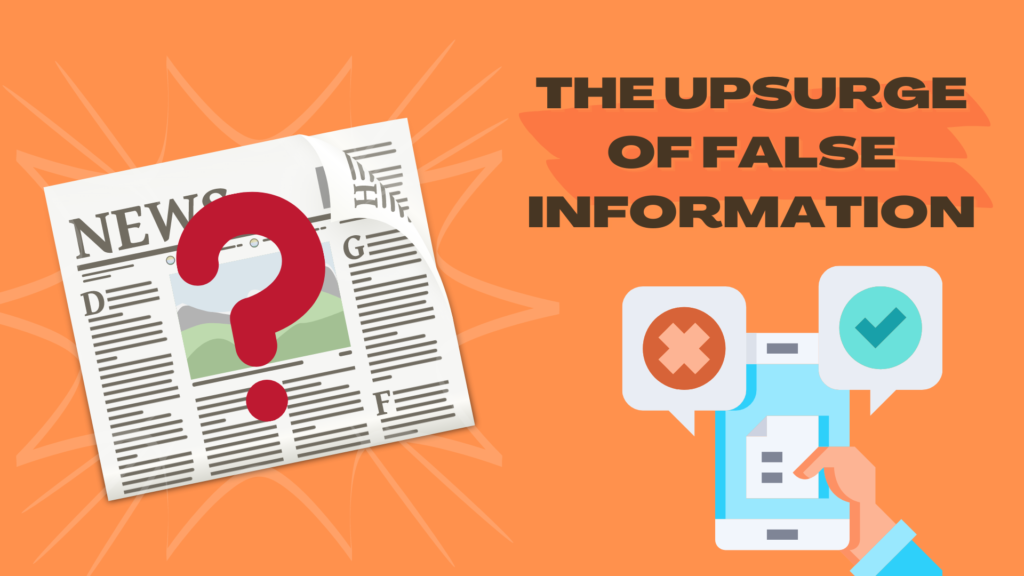
Another drawback of free speech is the upsurge of false information. Fake news can be attributed to the advancement of the internet, and free speech makes the rampant spread of falsified information a lot more painless. This is a result of free speech protecting individuals who spread outright and blatant lies.
With freedom of speech, many differing opinions held by the people will spread, as a result, conflicts are bound to be bred. This could lead to society being torn apart, with people flocking to those who share similar beliefs. This could pit society in a ‘they against us’ position, spark unnecessary conflict, and foster unrest and hatred. This can be dangerous as this could potentially lead to echo chambers and extreme actions being targeted at members of different communities.
Of course, if everyone’s opinions are allowed to run unchecked, together with the widespread and ubiquitous nature of the internet, free speech would be able to incite violence, hatred or other hateful behaviour in readers. For example, racist or xenophobic rhetoric could be propagated which could lead to protests or even violent incidents.
Not universally welcomed
Freedom of speech is a widely contested topic in countries like China, Russia and the United States. China is known for its Great Firewall, which blocks access to certain foreign websites we use daily like Google, Twitter, Facebook and Instagram. Furthermore, it has its own search engine- Baidu (百度), and it slows or in some cases restricts data from foreign servers to mainland China. Enforcing the firewall has allowed the Chinese government to monitor local internet traffic and keep track of their domestic internet behaviour to suppress any possible rebellion or dissent. Additionally, it also restricts access to websites and services that are flagged or contain sensitive keywords. The different categories of blocked content include:
- Content to harm the interests of the nation.
- Any information which disrupts national policies.
- Spreading obscene or criminal content.
The Firewall flags certain sensitive topics on the Chinese internet, including Chinese government leaders such as President Xi Jin Ping, incidents such as the Tiananmen Square Massacre, and ongoing social issues like the Xinjiang internment camps and the Tibetan independence movement. Foreign sources have criticized the Firewall for infringing on the freedom of speech and internet access of the Chinese people and the Chinese government for controlling and monitoring their behaviour online.
Russia also adopted similar internet censorship in its region, this only tightened after the recent Ukraine invasion. Russia has banned popular social media services Facebook and Instagram in the wake of the attack, Moreover, any negative coverage of Russian President Vladimir Putin regarding the invasion is being censored. The main reason for this is that the Russian government believes Meta, the company that owns Facebook and Instagram, is extremist and allowed hatred for Russian people to be spread online. Besides this internet censorship, press freedoms in Russia are also highly restricted. Dangers have been apparent to journalists in the area, with a growing list of journalists either killed or attacked. Some of the journalists covering high profile cases such as the Chechnya crisis and human rights abuses are part of the list.
On the other hand, the United States has many laws protecting free speech, and it is even protected from government restrictions by the First Amendment to the Constitution. Free speech is regarded as a fundamental right of the American people, and as such, they are generally less restricted from speaking about controversial and potentially problematic topics. With few laws restricting free speech in America, people can voice their opinions and beliefs on almost any issue they may choose without fear of censorship or retaliation. However, the problem of hate speech arises when people can disseminate content or speak out about topics that are detrimental to society as a whole.
Freedom of speech at home
In Singapore, freedom of speech is a constitutionally guaranteed right that is given to every Singaporean However, there are limitations, especially when it concerns the privileges of Parliament. Free speech also does not cover the defendant when the interests of Singapore’s security, international relations, public order or morality are threatened. An example of this is that intended hurt toward one’s race or religious beliefs is an offence. In 2020, an online news outlet – New Naratif, run by historian and political activist Thum Ping Tjin, was under investigation by the Singapore police for allegedly publishing paid election advertisements. The outlet denied this claim and countered that the government was utilizing intimidation tactics to silence critics, and they were abusing the Parliamentary Elections Act.
Freedom of speech is beneficial for allowing everyone to voice their opinions freely. However, a line still needs to be drawn due to how quickly information can spread in the digital age. As long as freedom of speech is used for the betterment and improvement of society and there are clear boundaries set up to weed out those who misuse or abuse this right, it is necessary to further society.