Stories & Co.

Healthy Coping Mechanisms for Stress

One of the biggest challenges facing students these days is definitely stress. Assignment deadlines, understanding lessons, working, family – these are just some of the sources of stress. During this pandemic, it can get difficult staying cooped up at home while studying everyday, so here are some ways for you to cope with the stress.

1) Set realistic goals

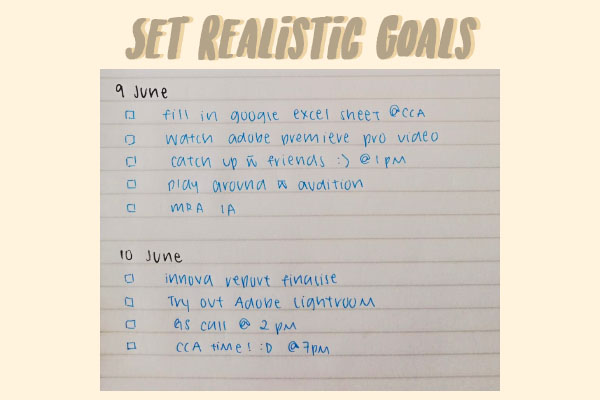
(PHOTO: Seah HuiLan) Photo of a checklist on a daily basis projects and CCAs. Photo taken and edited on June 6,2020.

Start small by setting realistic goals for yourself. Setting unreasonable aims will not only leave you overwhelmed, but also potentially set yourself up for failure. For instance, if you plan on losing weight, set an attainable target. This could be in the form of losing one kilogram a month with suitable exercises, such as jumping jacks or jogging. While you may not achieve your desired weight loss in one month, you could curate a healthier lifestyle by following an appropriate diet plan. With sufficient time to reach your goals and acknowledging that occasional setbacks may occur, you leave less room for disappointments. This way, you will feel positive and calm no matter what life throws at you!

2) Proper Nutrition

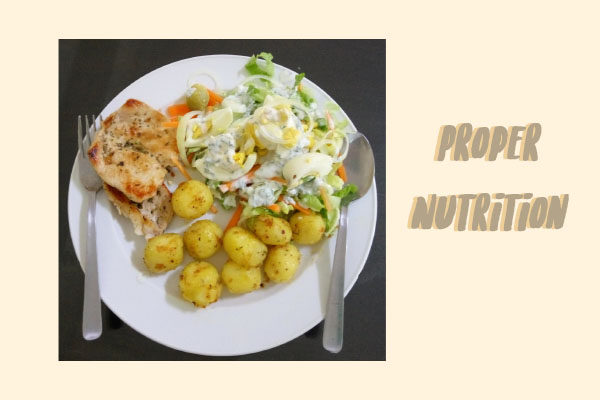
(PHOTO: Seah HuiLan) Photo of a plate of a healthy meal. Photo taken and edited on June 4, 2020.

Do you often find yourself eating unhealthy food when you are stressed? Do you skip meals to study? A poor diet could bring greater reactivity to stress. Here are some things you can do to inculcate good eating habits. 

  • Eating regular meals is important for boosting metabolism and keeps you energized. Having a routine also helps in ensuring you do not eat too much or too little. 
  • Refined carbs, like cookies and potato chips, can cause a spike in blood sugar. When your blood sugar crashes, you might experience more stress and anxiety.
  • Consuming a healthy diet can help you combat stress over the long haul. Foods like eggs, avocado, and walnuts support mood regulation and energy balance. 

According to Healthline, a balanced diet is important because your organs and tissues need proper nutrition to work effectively. Without nutrition, your body is more prone to fatigue and poor performances. By making these small steps, you will be less stressed and more alert to complete your work! 

3) Exercise regularly

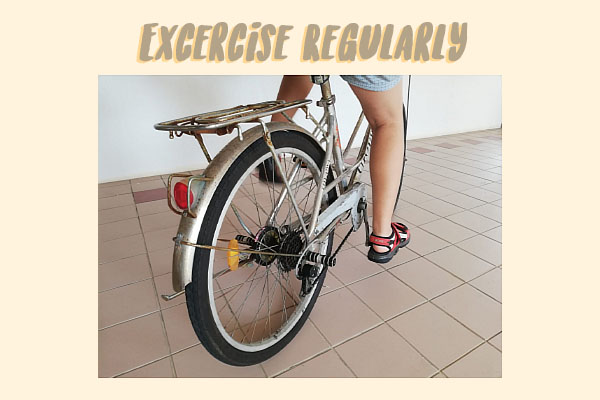
(PHOTO: Seah HuiLan) Photo of a bicycle. Photo taken and edited on June 4, 2020.

Exercise is one of the best ways to reduce stress and improve your overall quality of life. You could try taking a stroll or jogging in the park, or any exercise that you feel comfortable doing. To take it a step further, you may prefer to join a fitness club or a gym instead. Doing physical activities regularly has been proven to help your mind, and make you feel good! This could also be a form of alone time for you! 

According to Healthhub, physical activity is not only good for your physical health, but your mental health as well, as both physical health and mental health go hand in hand. Hence, exercising regularly will not only improve your mental health, but elevate your mood as well and keep you stress free!

PS: If you are just starting to exercise, do ensure that you go slow! And if you have any medical conditions, always check in with your healthcare practitioner before embarking on any new workout. 

4) Meditation

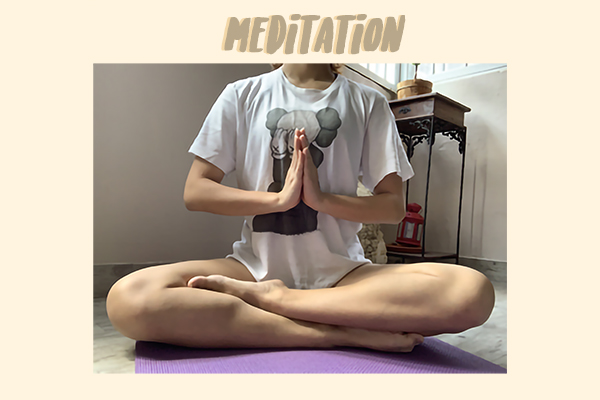
(PHOTO: Ferlyn Sng) Photo of a girl practicing yoga. Photo taken and edited on June 8, 2020.
Are you feeling anxious from the stress you are getting from your work? You can start with something simple that will make you feel better in no time. “Relaxation Meditation” is a technique designed by Headspace that can help you better manage your stress. Here is an exercise that you could try!  
  1. Concentrate on your breathing, and take five deep breaths. While inhaling, think about taking in fresh air. When breathing out, think about letting go of all the stress in you. 
  2. Be in touch with your five senses, and your body. Take a few moments to breathe in the air around you, hear any noises and sounds surrounding you. 
  3. Conduct a simple body scan. Observe for tensions within your body and mind, as well as for which parts of you feel relaxed. This helps you in facing all your emotions and understanding your stress points. 

Check out the full exercise in the link here! This exercise helps you in being self-aware about your feelings and brings feelings of serenity with you for the rest of the day. 

5) Have a positive mindset

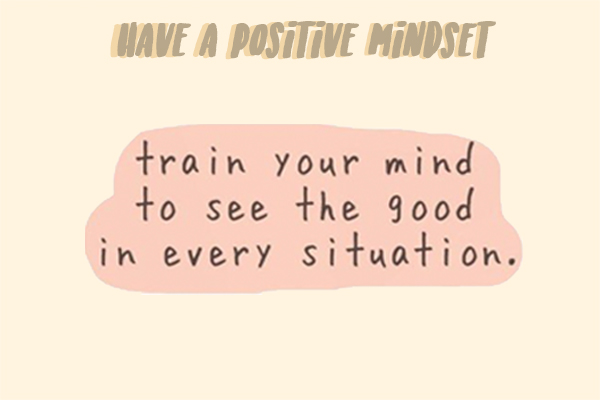
(PHOTO: Ferlyn Sng) Photo of a positive quote on a book. Photo taken and edited on June 8, 2020.
Harsh self-criticism, self-doubt, and catastrophic predictions will not be helpful. Try to avoid doing so as it will only stress yourself out. These are some ways Healthline has suggested for cultivating a positive mindset!  
  1. The way you talk to yourself matters. Practicing positive self-talk builds up confidence and curbs negative emotions.
  2. It is always important to begin your day positively, by setting a routine where you do something uplifting. This could be in the form of positive affirmations, listening to a happy playlist or sharing kindness to people around you.
  3. Healthline also suggests keeping a gratitude journal. Write down things that you feel grateful for daily, or even just on rough days. This keeps you focused on wholesome thoughts, and helps improve your sense of well-being. 
These are just some of the tips provided by Healthline. By following these suggestions, we hope you feel less strain during even the most stressful of times. Let’s all lead a healthier lifestyle with better coping mechanisms! 

By Shane Elliot Dawson, Dylan Tan & Seah HuiLan

Share this post

More
articles